Nerja
Nerja was once a small fishing village, but is now the largest tourist centre east of Malaga. In Nerja, the old part of the town still retains its original charm and there are numerous tourist attractions that make a visit to Nerja a must when visiting the towns of the Costa del Sol.
Contents
Getting to know Nerja
Amongst the places to highlight, the Balcony of Europe is a cliff overlooking the sea and surrounded by two beaches. It's a favourite spot amongst the tourists for its views of the Mediterranean sea and it's located very close to the tourist office.

A cave painting representing seals inside the Nerja Cave is thought to be the earliest piece of art known to mankind, dating back some 20,000 years. Nerja's history takes us back to a very remote past, with remains that attest to the presence of human populations during the Neolithic and Bronze Age.
The Romans founded the town of Maro and left other remains in Nerja that show us how active their presence was on the Mediterranean coast. After the fall of the Empire and the arrival of the Visigoths, it was the Muslims who took advantage of these lands and brought a new period of splendour.
Up to three cultures coexisted in Nerja, as in the rest of the territories conquered after the arrival of the Catholic armies. Christians, Arabs and Jews lived together peacefully until finally a law forced them to convert to Christianity or leave their lands. Many of the current residents are descended from these groups who converted and changed their surnames; others however would embark on the shores of Nerja in the hope of being able to return home in the future.
Since then, Nerja has experienced ups and downs, and it was not until the middle of the 20th century that it began to recover and become a tourist reference in the region.
Today you can sense the municipality's past as you walk through its narrow streets following its original medieval layout.
Things to do and see
Nerja is probably most famous for the Caves. The Cueva de Nerja, also called the "natural cathedral of the Costa del Sol", is situated 750 metres from the coast on a hill in the Sierra de Almijara, about 200 metres above sea level. In July the famous Festival with dance and music takes place inside the cave, one of the most important cultural events on the Costa del Sol. For easy access, a bus service is also availabe.
The Sierras de Tejeda, Alhama and Almijara Natural Park forms an imposing mountain range to the north of the town of Nerja, between the provinces of Malaga and Granada. It has a rich flora and fauna, with birds of prey and mountain goats deserving special mention. It has several signposted trails ideal for walking and getting to know this wonderful natural environment that surrounds the municipality.
Don't forget the local fiestas, if you visit Nerja when they are celebrated they are well worth experiencing. Take a look at the local calendar with information on events and dates throughout the year.
Another place of great interest in Nerja is Maro, a small, clean and quiet village in the east of the province of Malaga, close to the border with Granada. Maro is situated on the slopes of the Sierra Almijara mountain range on fertile land dedicated to the cultivation of fruit and vegetables and stretching down to the sea, creating one of the most beautiful landscapes on the entire coast.
A little further out of the municipality you will find Frigiliana, just 6kms away; it is a very charming village and well worth a visit to explore its streets. A little further on we come to Almuñecar, situated on the western part of the Costa Tropical, which also enjoys a very good reputation.
Restaurants and local gastronomy
There is a swarm of options for eating out, with upwards of 400 bars and restaurants in Nerja. Seafood is reasonably priced and often available on beach restaurants, a long-time tradition on the Costa del Sol. Some typical dishes are char-grilled sardines, ajoblanco (a refreshing garlic soup), migas (fried bread crumbs and sausage bits), tortitas de bacalao (salt cod cakes), and De La Doncella (red mullet).
Due to the high number of foreign residents and business owners, other cuisine (especially British) is also widely available.
Living in Nerja or visiting it?
Hotels and villas abound, nothing but a necessity for the number of expatriates checking out the area, as well as the summer tourist boom that fills the city. Accommodations fill a range of needs, from economic apartments to ritzy hotels. Those looking to stay in the nicer hotels during the summer should book several months in advance, as these fill up quickly.
There are plenty of reasons for buying a property in Nerja. In the town centre you will find apartments and penthouse apartments for sale. In the town, you can find properties with sea views, where many of them are located in the narrow winding streets, making it the perfect choice for those looking for a charming town house or apartment.
Nerja Nightlife
There are plenty of restaurants in Nerja, pubs and nightclubs open till early morning, live music venues with music to suit nay kind of people and tastes including karaokes for those who enjoy singing with friends.

However, the main point of activity, particularly during the summer months, remains in and around Plaza Tutti Frutti (map). There is music to suit most tastes and, on occasion, you may find the odd 'live' event; Metal/Rock fans should head for Pub Tantra.
Find out more about the nightlife in Nerja and how to get the most of it!
Weather forecast and climate
If the Costa del Sol stands throughout Europe for its mild climate throughout the year, this small town on the easternmost Costa del Sol stands out among all localities by the exceptionally mild climate, for which it is considered to have the best climate in Europe.
Nerja is situated on the shores of the Mediterranean Sea and sheltered by the high mountains of the Sierra de Alhama, Tejeda and Almijara, almost 2,000 metres high. This mountain range protects the coast from the cold north winds and creates a subtropical microclimate that allows the cultivation of tropical fruits such as custard apples, mangoes and avocados.
This excellent climate boasts more than 300 days of sunshine a year. Pleasant temperatures in the winter with 59º F (64º F maximum and minimum 51º F) and not too hot summers with average temperatures of 77° F (with maximum of 91º F and minimum 63º F).
Find below the weather forecast in Nerja with weatherbug.com:
Beaches
The town of Nerja has over a dozen beaches, which is why we are one of the municipalities with more variety of beaches in Malaga. Isolated beaches, semi-urban or urban, more or less crowded beaches, nudist or not, with many or few services depending on which one we choose. There is a beach for every taste, but let's get to know more about them.

This is a municipality in which its urban beaches stand out, such as La Torrecilla and Burriana, the two most populated in the municipality, and the two best equipped. Both - and they are not the only ones - have toilets, showers and disabled access. The beaches of Torrecilla and Calahonda also stand out for their promenade.
But at the other end of the urban beaches we can find the isolated beaches that are in the Natural Park of the cliffs of Maro. There are nudist beaches such as the Alberquillas beach or more popular beaches for nature lovers, which are small coves in the area of the Park. Without a doubt, we have a wide variety of beaches for you to enjoy during your holidays.
List of beaches in Nerja:
- Burriana
- La Torrecilla
- El Salón
- Carabeo
- Calahonda
- El Playazo
- El Chucho
- La Caletilla
- El Chorrillo
- Carabeillo
In addition to its 10 beaches, it has many small coves hidden between cliffs, which are mainly accessed by local trails between farms and doing the last section on foot. Their natural beauty gives them a certain wild charm and their difficult access ensures a low occupation of bathers.
Getting to Nerja
Let's explore the different options for getting to Nerja from Malaga, which are also valid for the reverse journey:

- Buses take about 1.30 hours to arrive.
- You can take a taxi from Malaga airport to Nerja, and the approximate cost is 66 €, so it is cheaper to rent a car for a week at the same price approximately, as it would provide greater freedom.
- There is not a train link to Nerja.
- Hiring a car can be a nice and cheap option if you want to have freedom of movement and if you need a vehicle.
- Transfers from Malaga airport are a quick and convenient way if you don´t need to rent a car, they can take you or your group to Nerja.
Continue reading in how to get from Malaga airport to Nerja, it could be of help if you are looking for the road route.
Useful numbers
Find below useful numbers you might need. Just tap on the number to make a phone call:
- Transfers from or to the airport & tours: 952 962 710
- Local Taxi: 952 52 05 37
- Centro medico Intermedical: 951 94 00 49
- Clinicas Rincon Healthcare & Urgencies: 952 52 10 45
- Local police: 952 52 15 45
Latest news
Find below some related news that might be of interest:
- Nerja pedestrianises and modernises the street that links the avenue with the Balcon de Europa.
- : Nerja Town Hall improves the lighting on the Balcon de Europa promenade.
- : Town Council signs an agreement with the Cave of Nerja to promote cultural activities.
- : The Town Hall is raffling a getaway to Nerja that includes 2 nights in a hotel, a visit to the Nerja Cave, a kayak route and a tasting menu in a local restaurant. The draw will be carried out from the account @turismonerja on Instagram.
- : The Nerja Museum opens its first exhibition after Covid-19 with glass works by Warhol and Dalí.
Video and pictures
In the video below they present the Balcon de Europa, beach bars and clubs, promenade, the Cave and some hiking routes images.
Photos
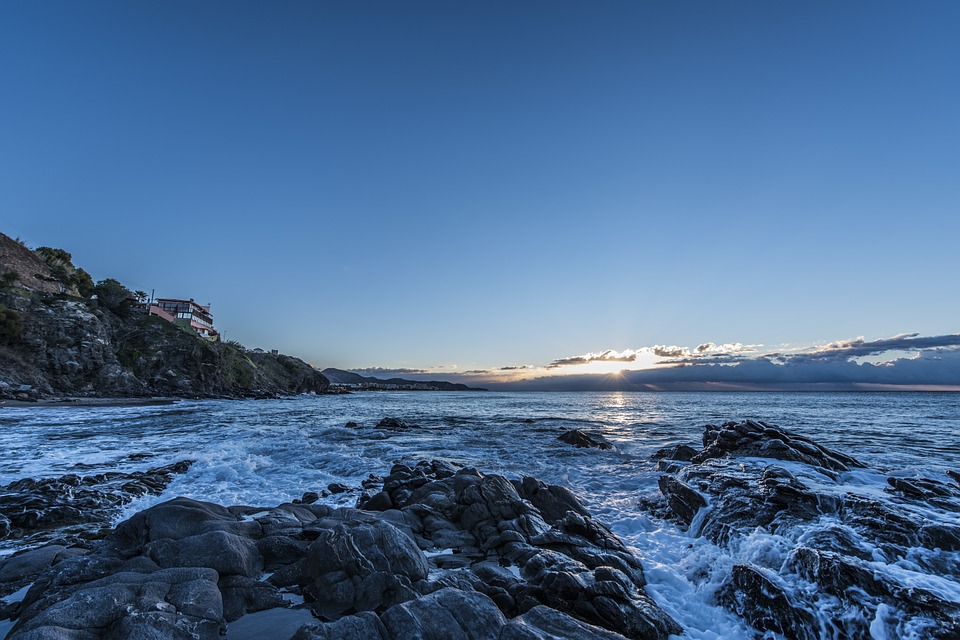
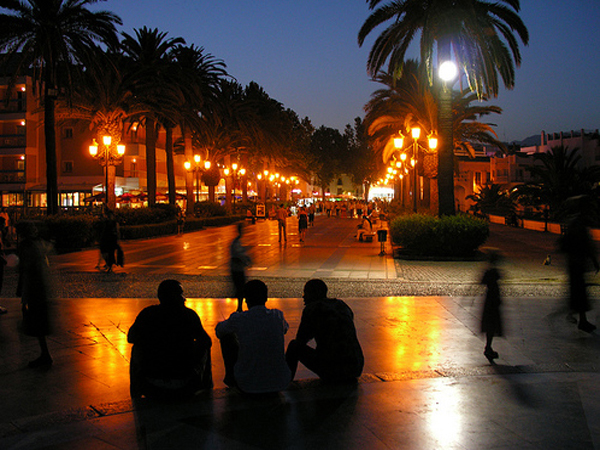
Pictures below are some of the images you can find in our gallery

Useful information:
Find below some useful information and the official website available in English and Spanish. Enjoy your holidays in Nerja!
| Area | 85 km² |
| Population | 21.144 |
| Time Zone | (UCT+1) |
| Web Site | Official website |
| Wikipedia | Wikipedia |
| Founded | VIII Century |
- Nerja Townhall
C/ Carmen 1, Nerja 29780
Tel: (+34) 952.548.400
https://goo.gl/maps/5wG5NZSuG5F9uKdZ9
Getting to the Nerja Caves: the easiest and fastest route is via the A-7 (old N-340), which runs along the coast. The road is twisty in some parts as it winds its way inland, providing many vantage points to see the surrounding countryside. In Nerja there are signs which guide you easily to the caves. There is also a direct bus from the bus station in Malaga which goes to the caves. The opening hours are 10:00-14:00 and 16:00-18:30

 Malaga in January: Activities, events and other things to do in 2024
 Christmas in Malaga: Experience the lights shows in 2023 and other activities
 Malaga in December – Lower prices, temperature, tips and activities